Central Electric and Gas fired Heaters
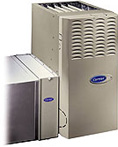 Electric heating or resistance heating converts electricity directly to heat. Electric heat is often more expensive than heat produced by combustion appliances like natural gas, propane, and oil. Electric resistance heat can be provided by baseboard heaters, space heaters, radiant heaters, electric central furnaces, electric wall heaters, or thermal storage systems.
Electric heaters are usually part of a fan coil which is part of an central air conditioner. They circulate heat by blowing air across the heating element which is supplied to the furnace through return air ducts. Blowers in electric furnaces move air over one to five resistance coils or elements which are usually rated at five kilowatts. The heating elements activate one at a time to avoid overloading the electrical system. Overheating is prevented by a safety switch called a limit controller or limit switch. This limit controller may shut the furnace off if the blower fails or if something is blocking the air flow. The heated air is then sent back through the home through supply ducts.
Radiant systems like imbedded heating cables, ceiling mounted radiant panels, electric radiators, etc. radiate heat outward by warming the objects in the room. Radiant heat can make it difficult to control air temperature and may result in large fluctuations in the room air temperature.
Gas fired heaters or furnaces provide warm, consistent heat for your home or business by creating and circulating warm air through the duct work of your house and transferred to your house or business.
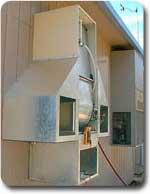
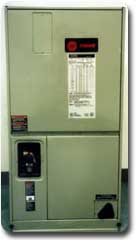 The heat to create the warm air is created by burning natural gas. The hot gases and heat that is created during the combustion process is transferred through a heat exchanger which is basically just a series of curved metal tubes which passes through the air path of the unit. As the heat passes through the pipes is transferred through the metal and into the air passing over it heating it in the process. The left over gasses are then passed out of the system through a metal or plastic vent pipe and into the outside atmosphere.
Carbon Monoxide is a colorless odorless and tasteless gas or liquid which is a byproduct of burning kerosene, gas, oil, charcoal, wood, tobacco, gasoline and other petroleum products and comes from incomplete oxidation of the carbon during the combustion process. In appliances that burn fossil fuels like natural gas are properly used and maintained the tiny amounts of CO produced are not dangerous but when they are used or maintained improperly dangerous levels of CO can produce dire results. Hundreds of people each year are killed by accidental CO poisoning. Most of the time the symptoms in these cases were evident before hand but not properly recognized as CO poisoning.
Buy a Carbon Monoxide Detector
AFUE calculates the percentage of heat delivered to your house and compares it to the amount of fuel that you supply to the heater. For example a heater that has a 80% AFUE rating converts 80% of the fuel that you supply to heat and the other 20% is not converted to heat and effectively lost out the flue or chimney. AFUE is limited in that it only refers to the unit's fuel usage and not its electrical consumption.
 The government's minimum AFUE rating for heaters is 78%. Many furnaces and heaters manufactured before this rating went into effect in 1992 had AFUE ratings as low as 60%. Heaters with AFUE ratings of 78% to 80% are the most common. If you have a heater with an AFUE of about 60%, you could save significantly on your heating bills by replacing it with a higher efficiency heater. Many times the cost is paid back through savings on lower utility bills. If you live in a cold area where fuel is very expensive consider a high efficiency heater with a rating of 90% or higher. Consult a reputable air conditioning and heating contractor to help you decide which system is right for your area.
Click here to Order Parts from Ra-Jac Services Online Air-Conditioning and Heating Store
Take the guesswork out of shopping for high quality air conditioning and heating parts for your home or office. We offer only top quality parts that the professionals are using. Let our 40+ years in the air conditioning, heating, ventilation and refrigeration industry work for you.
Ra-Jac Air Conditioning & Heating has proudly served Galveston County TX since 1966. We pride ourselves on providing top notch service on residential and commercial air conditioning, heating, and refrigeration in the Southern Texas area.
We offer prompt and courteous service on air conditioning, heating, and refrigeration equipment.
Algoa / Arcadia / Bacliff / Bayou Vista / Clear Lake City / Clear Lake Shores / Dickinson / El Lago / Friendswood / Galveston / Hitchcock / Kemah / La Marque / League City / Nasa Area / Nassau Bay / San Leon / Santa Fe / Seabrook / Taylor Lake Village / Texas City / Tiki Island / Webster